Judge’s Chambers
Various Locations,
U.S.
In order to protect the security of our clients, we do not list the exact locations of the following projects.
Design Challenges
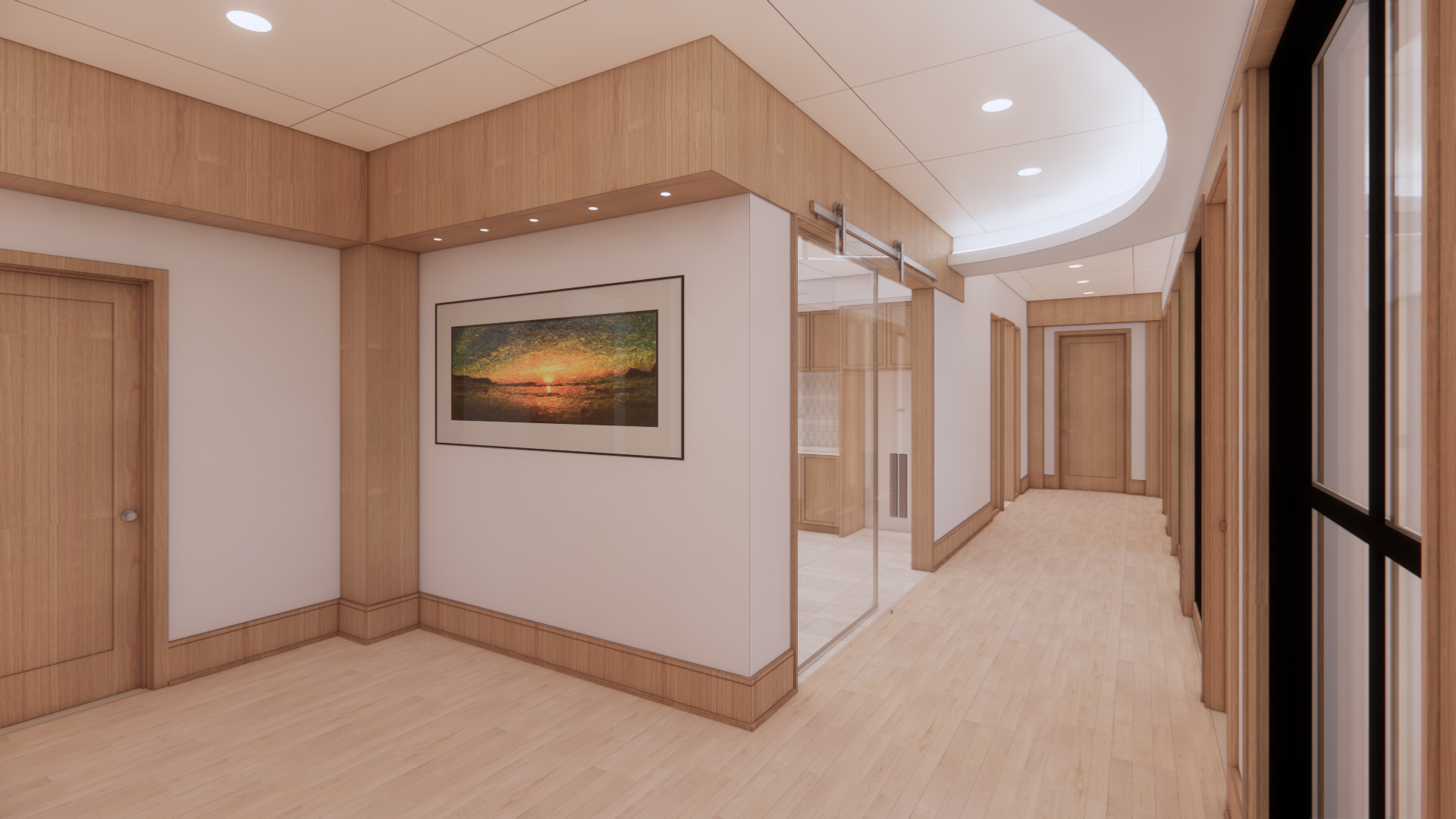
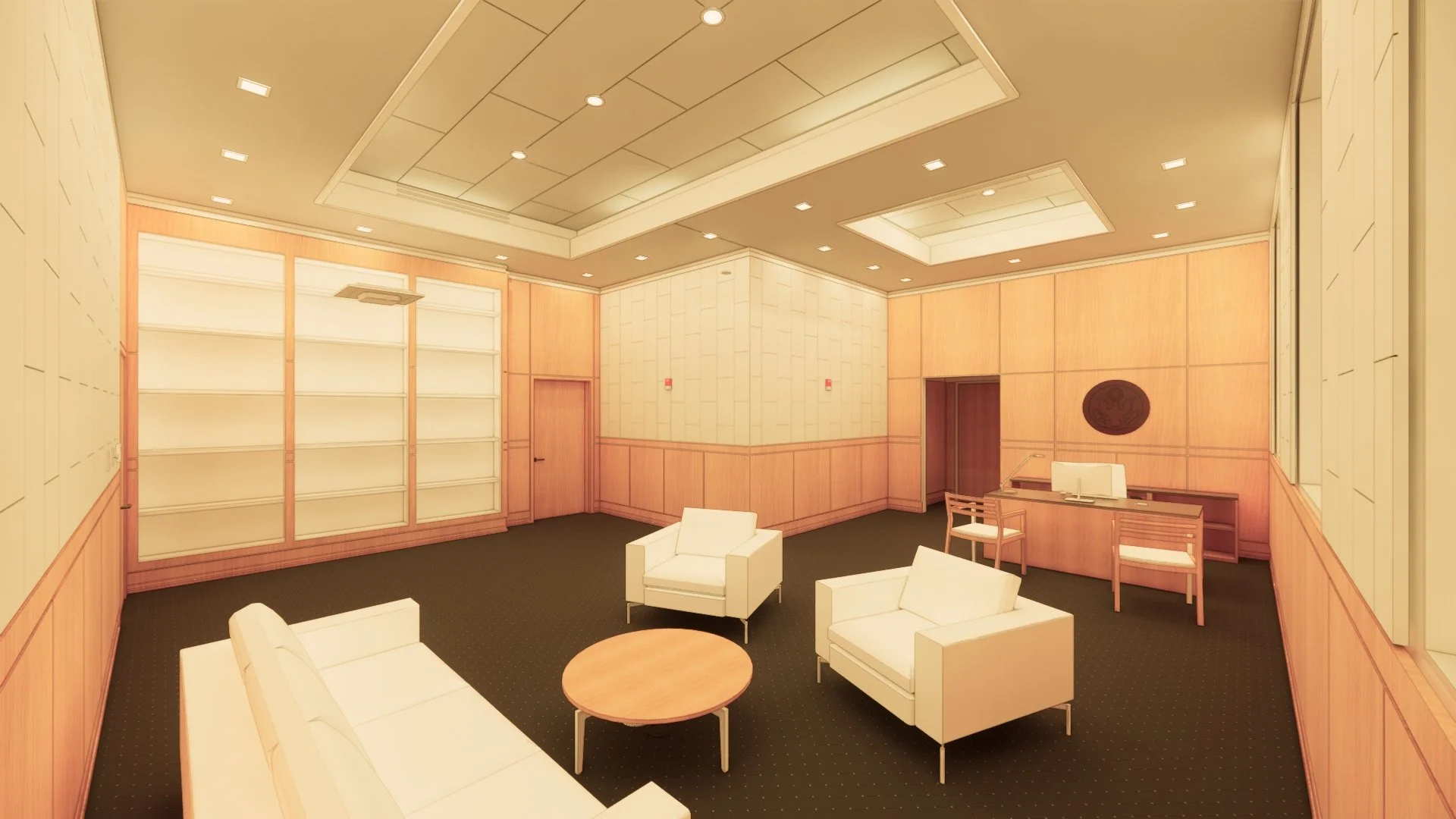
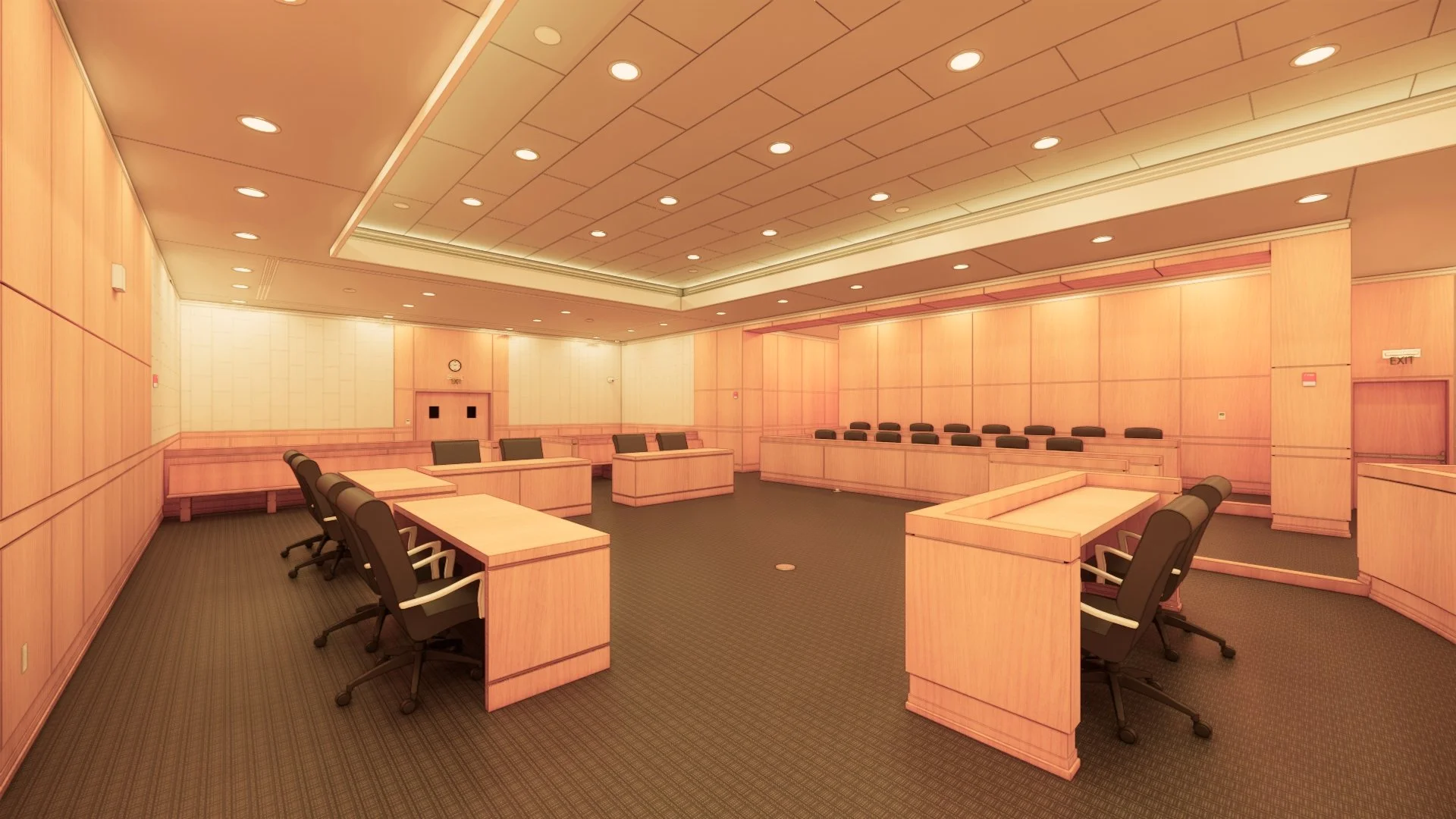
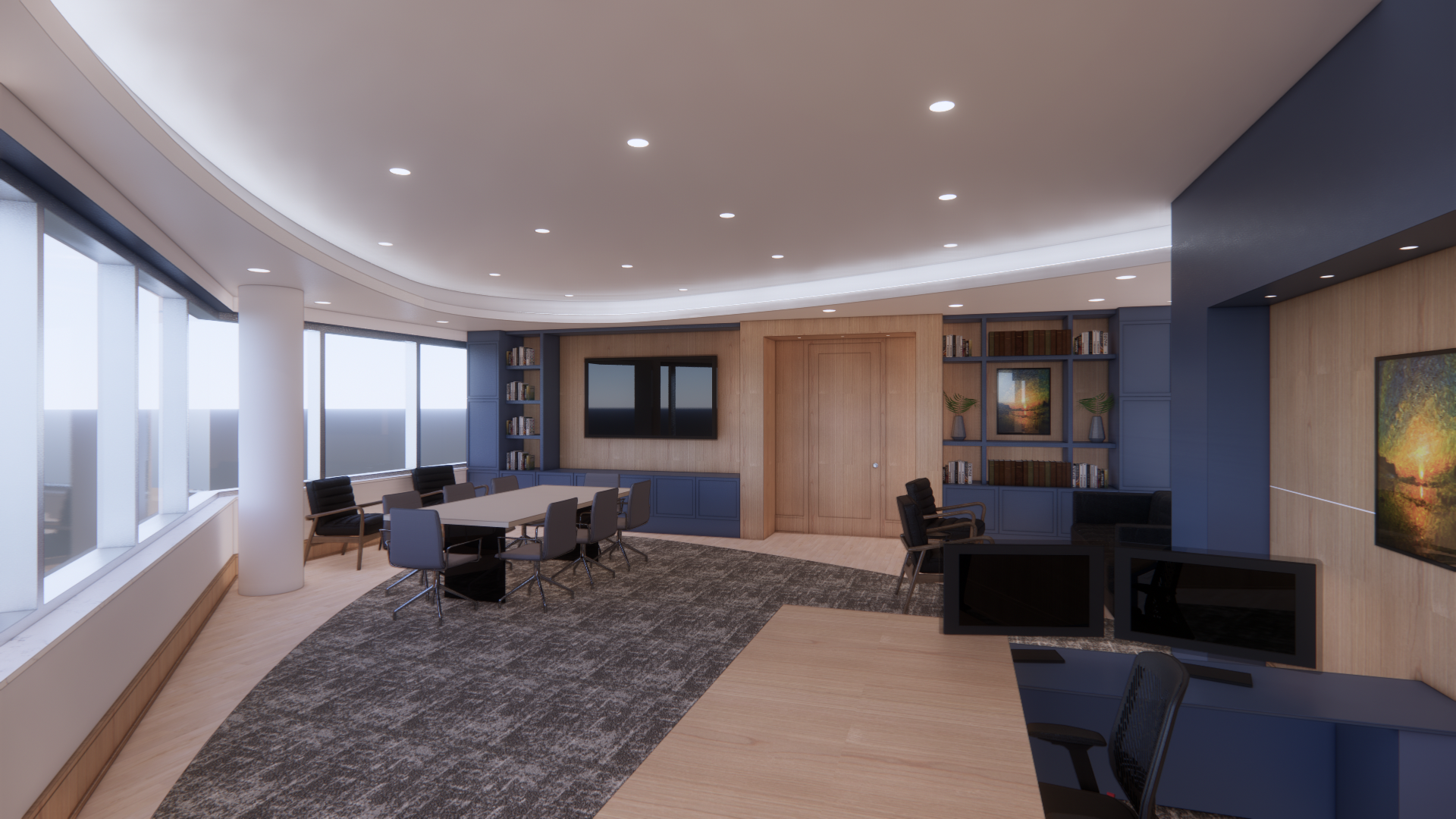
It was a goal to find a new architecture that did not mimic the past, but rather respected the historic character of the building. The architect fielded various opinions from the stakeholders and offered multiple schemes of design. A very contemporary design eventually surfaced. It consisted of exposing natural grain hardwood paneling, contrasting with other durable floor and ceiling choices. Soft fabrics were chosen in specific locations to control echo and reverberation.
Additional projects coming soon.
1 / Renovation of U.S. District Court Courtroom, Judge’s Chambers, and Jury Suite, U.S. Courthouse in Southeast
The design program for this interior fit-up was to accommodate two U.S. District Court Judge Chambers, one U.S. District Courtroom, and associated support spaces. This included a jury deliberation room, restrooms, attorney witness rooms, and associated mechanical and electrical spaces, all on the first floor of the historic building.
The architect tapped the US Court Design Guidelines as a support document for programming, space sizing, and adjacency, as well as sourcing the PBS P100 and the latest version of Federal legislation specific to guide decisions for sizing spaces regarding persons with disabilities.
The new layout assumed demolition of all outdated mechanical and electrical systems, replaced with new contemporary code-compliant solutions.
Historic Fabric – Interior
The final design reconfigures two existing door openings to the interior of the north wall of the first-floor public hall. A new grand double door is provided for entry to the courtroom where a single door previously served. An existing double door will be eliminated and converted to a single door at the location of current entry on the west end of the hall. These sensitive changes were presented by Historic Preservation representatives and received approval. The architect also offered details on the door design configuration and architectural frieze detailing.
The existing building offers few limitations against the desired program with two exceptions. While the proposed existing space does have adequate square footage to meet the demands, the existing structural system of the building provides two limitations that affect plan layout:
The back of the building (north end) offers lower ceiling heights demanded by an existing steel spandrel beam that supports second story loads. The architect and stakeholders decided that it was not prudent to locate the courtroom spaces in this low area but elected to place the jury deliberation space in that zone.
The column grid spacing limits the preferred width of the courtroom, so the architect created a niche for the Jury box between two west columns. This provides adequate width to the courtroom floor but slightly limits some site lines of the jurors, but not to any essential elements.
The final design was informed by feedback over several months from various stakeholders associated with the U.S. Courts at the local and federal level.
2 / Renovation, U.S. Courthouse in Southeast
The design team worked diligently to abbreviate the design time from what is normally 7 months to 4 months, enabling the GSA and others to bid the project more quickly. All parties agreed that given the complexity and custom finishes, that the construction time should be set as a 7 month project for what normally would take 5-1/5 months.
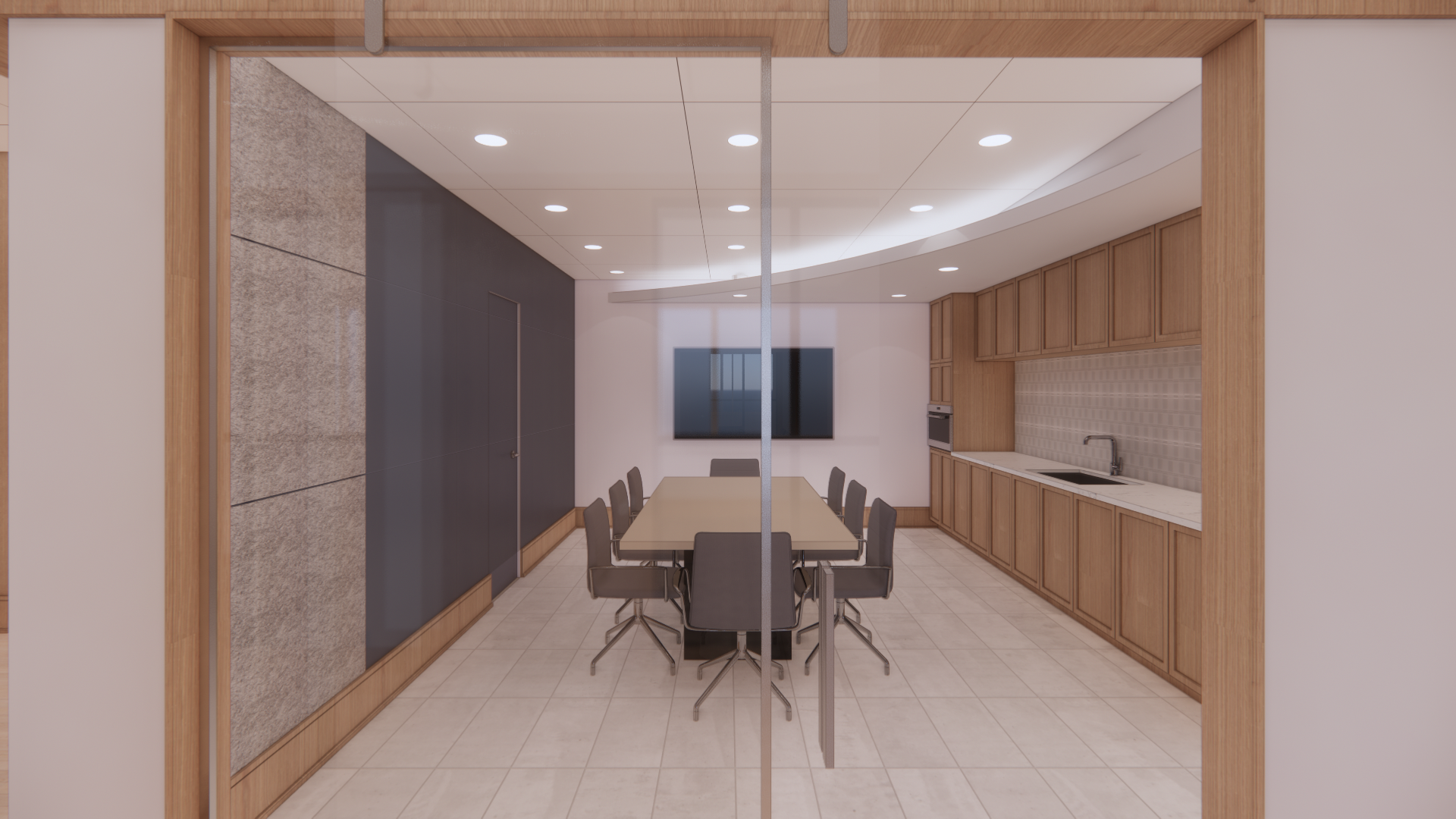
The scope included a complete interior renovation of approximately 25% of the entire seventh floor of this U.S. Courthouse to accommodate a newly appointed federal judge. The program included the Chambers office, several law clerk offices, work room, a kitchen/conference room, and a private restroom. Some of the challenges of the project included specifying materials that would conform to existing humidity, security requirements for judge security and proper privacy thresholds. The documents demanded that the contractor exercise strict control over dust and noise.